
Solarpunk: the Most Exciting Genre You're Not Worldbuilding... Yet
Solarpunk is a speculative fiction movement — part aesthetic, part political philosophy, part genre — built around one electrifying premise: what if we actually fixed things?
Build worlds, learn how to tell amazing stories
Practical lessons for curious worldbuilders, imaginative writers and unforgettable game masters. Your next great idea starts here.
Find your next inspirationKeep your curiosity alive
Solarpunk is a speculative fiction movement — part aesthetic, part political philosophy, part genre — built around one electrifying premise: what if we actually fixed things?

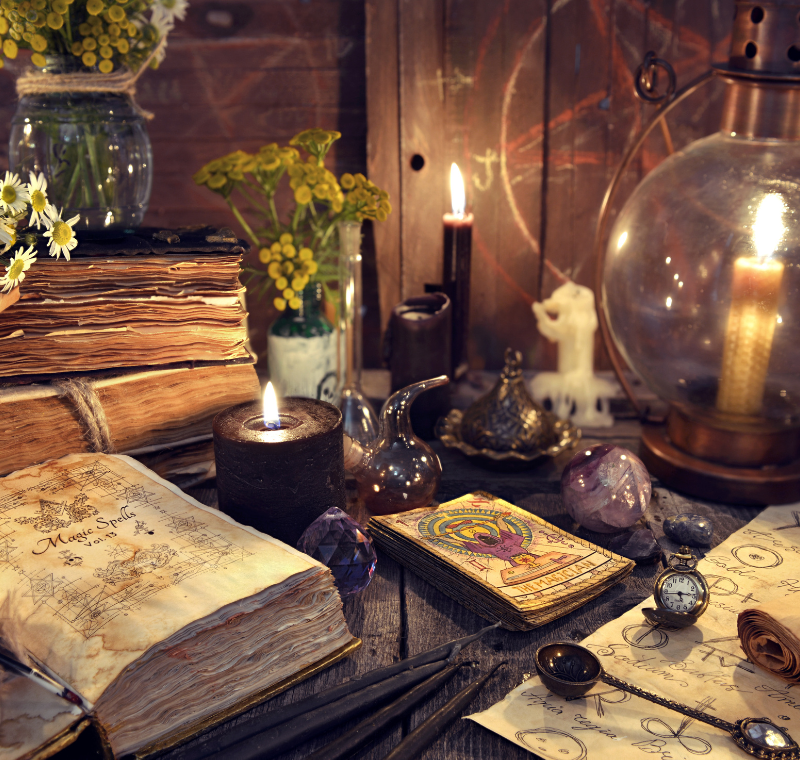
Tarot cards can make your D&D sessions more mysterious, immersive, and dramatic — and there’s a full spread of ways to use them in your campaign! If you’re ready to find a use for that Tarot Deck you got in a Kickstarter, read on!
Snow Globe worldbuilding is when your setting feels like it only exists to serve your main characters. It's also called Mary-Sue worldbuilding. Here's how to spot - and fix - it.
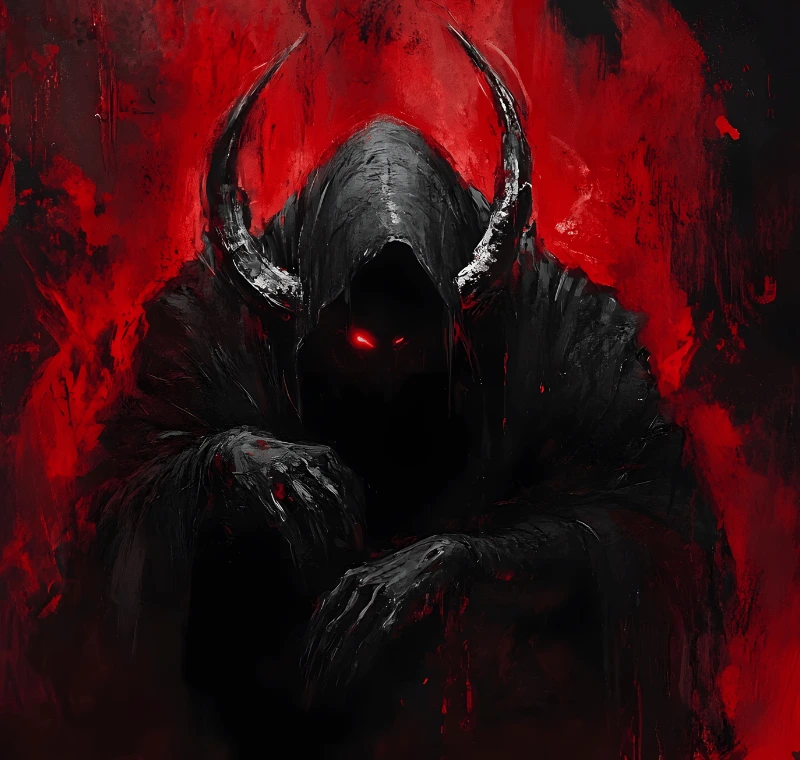
Why does the Evil Empire keep showing up as fiction's go-to villain? And more importantly for worldbuilders, how do you create a fantasy or scifi empire that doesn't feel like a cliche?
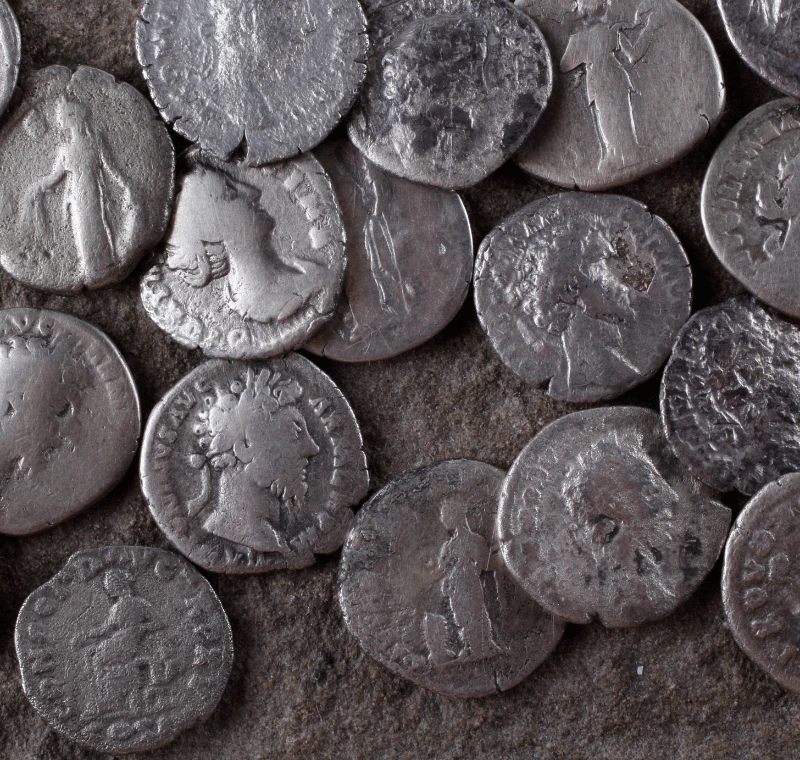
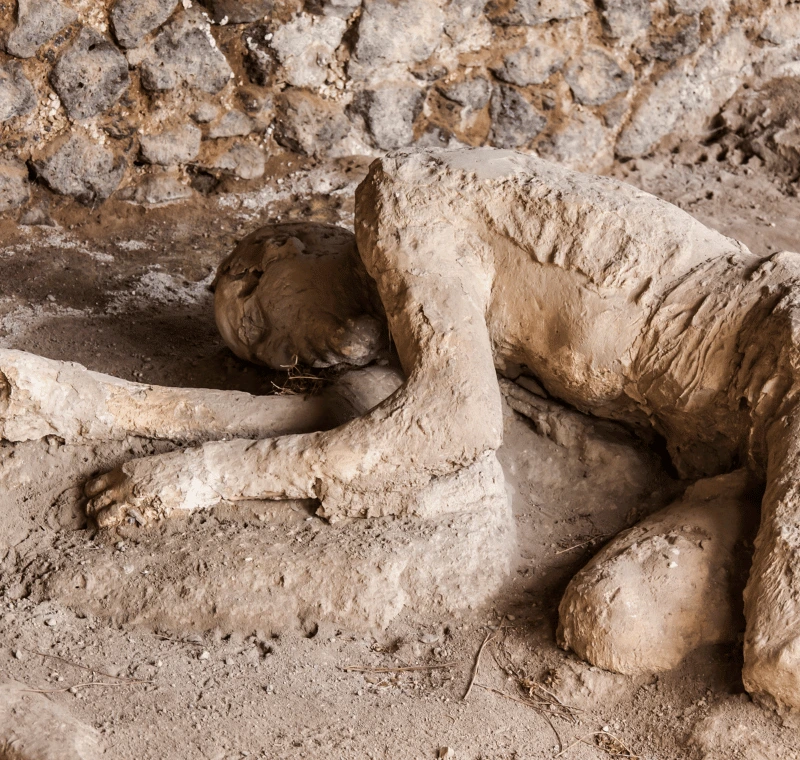
Here's how to make your world history a fascinating mystery, including five ways to destroy your ancients like a wrathful god, and the tools to make sure your audience is dying to know what really happened.
A warlock patron brings juicy personal costs, compelling complications, and character dilemmas to your games. Here's how to get all the upside, without the pitfalls.
Understand how DnD quest types actually work, and how to layer, nest, and subvert them so every session feels fresh for your players.
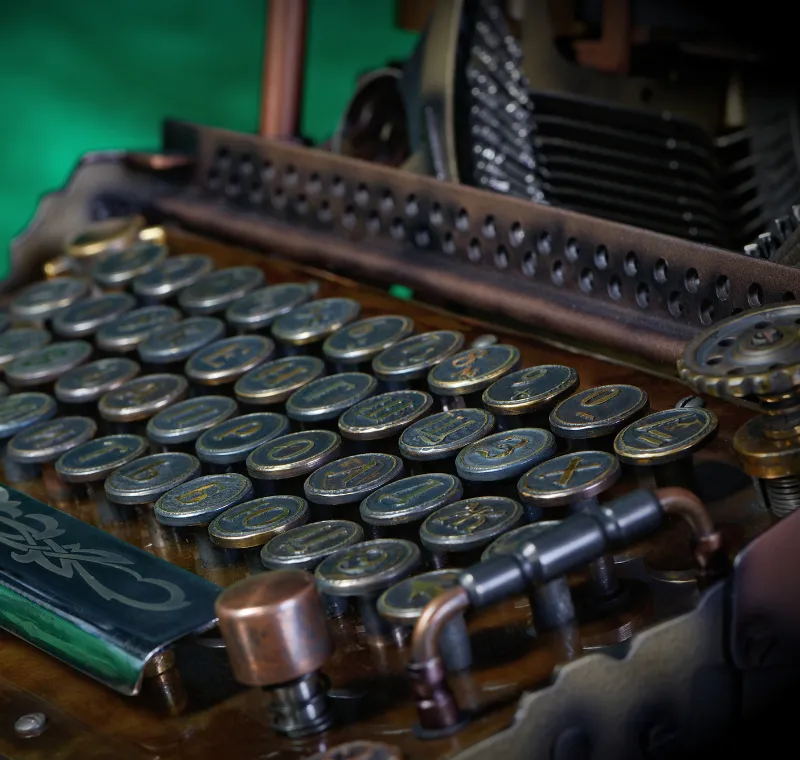
Your world’s technology level shapes everything from how characters can travel and communicate to what conflicts can happen. Let's explore how to choose the right tech era for your fantasy setting—and why that choice might not be as simple as you think.
Is magic quietly undermining your worldbuilding? The Porcelain Hypothesis is a worldbuilding theory that explains why fantasy worlds get stuck in the medieval era.
Omniscient point of view is one of the oldest narrative styles - and one of the most difficult to execute well. Here's a guide to what it is, and when and how to use it.
Economics is one of the most commonly glossed-over elements in worldbuilding. Don't miss out on one of the most powerful tools available for generating conflict, culture, and depth.
Second worlds are the most common type of setting in traditional fantasy, and the most ambitious. This checklist cuts through the overwhelm by focusing on what actually matters.
Urban fantasy, paranormal mysteries, dark academia, spy thrillers — the secret world is one of fiction's most versatile settings. Here's what you need to know to build one without breaking it.
When every member of a species or culture feels essentially the same, your audience checks out. The good news? You can fix it without overhauling your entire world.
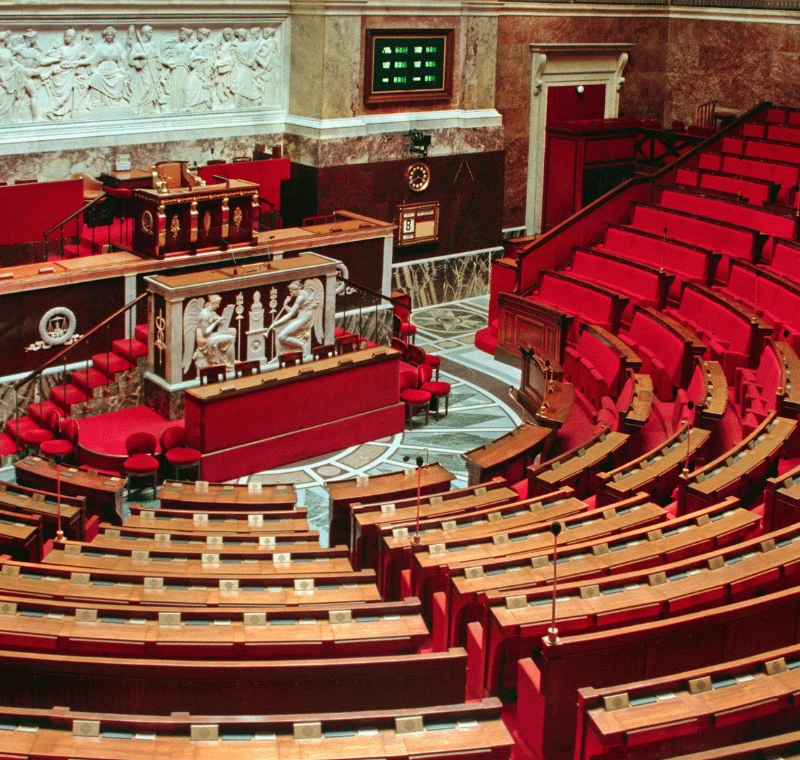
Worldbuilding politics doesn't have to feel like a chore, or a minefield. When you get it right, a rich vein of juicy conflict will run through the very bones of your setting. Here's a step-by-step guide.
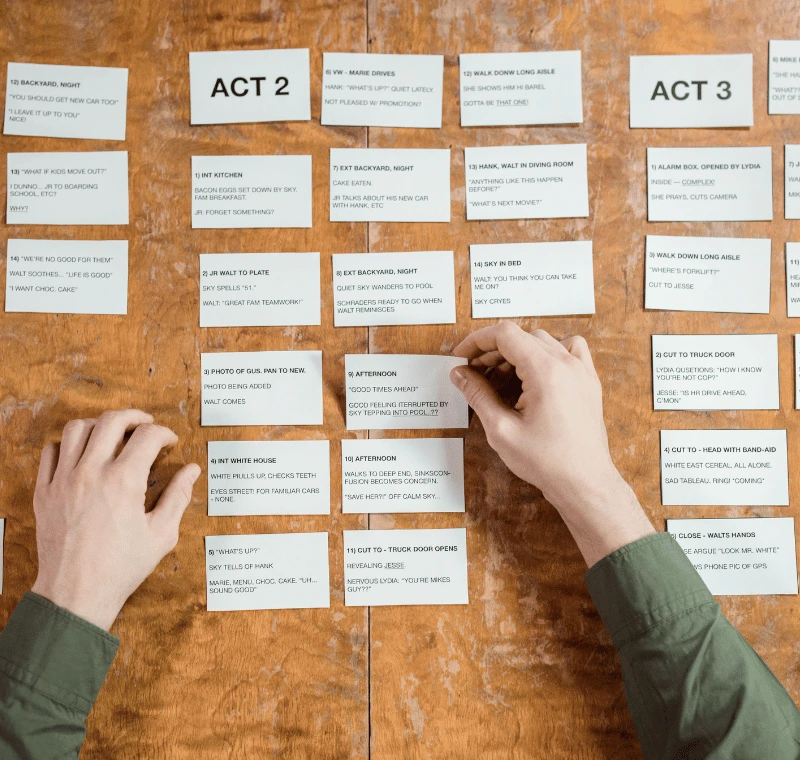
Storyboarding is a visual plotting method that lets you see your entire narrative, as beats, scenes or plot points. And that makes it a powerful plotting tool for your novel.
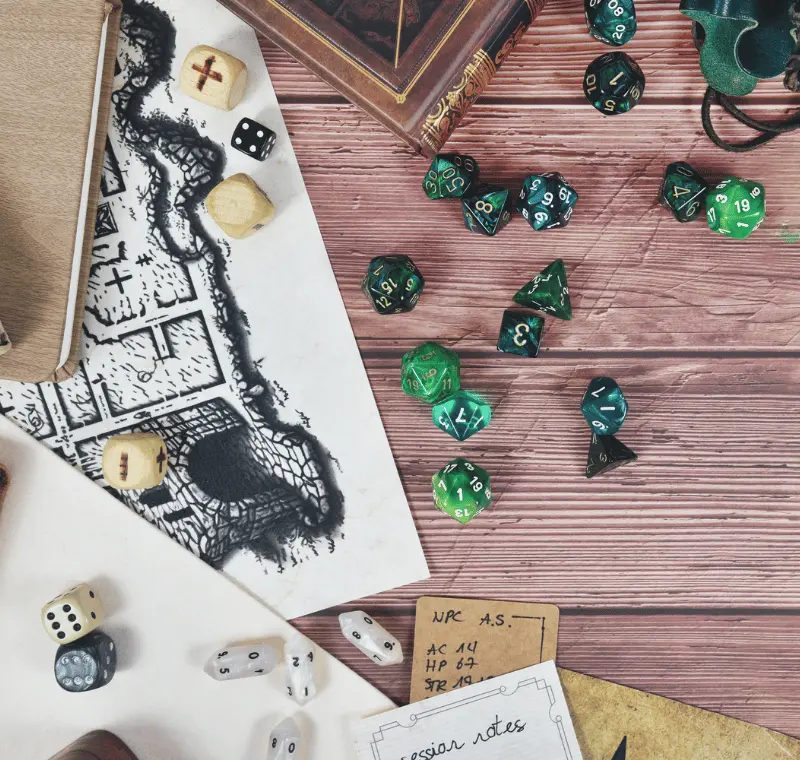
Looking for the right tabletop RPG system for your next campaign? Here are some worldbuilder-friendly choices to consider.
Without people - sapient species & cultures - your setting isn't a place where stories can happen. Here's how to start populating your world.
Examples of episodic storytelling, the best places to publish it, and advice on how to write consistent, irresistible serialized stories.
MacGuffins, or quest items, are objects that propel your adventure plot. Here's how to create interesting, powerful relics and artifacts worth hunting!
Used well, fantasy jobs and occupations convey a wealth of information about how your world works - literally and figuratively.
You can’t do everything. Focus is the name of the game early on. Be deliberate about which areas of your world you flesh out with deep lore.
Hard and soft worldbuilding describe the approach you use when creating a setting. The best one is whichever one works for you!
It’s often mentioned in manuscript wish lists, but what does it mean? What can you do to make your work feel more “upmarket” – and is that even a good idea?
Every great world starts somewhere
Dive deeper and learn about how World Anvil can help you!